Books That Shape
Our Understanding

Humanity Unmuted believes that change starts with understanding. The books in this section highlight the human stories, systemic patterns, and lived experiences that shape issues of dignity, compassion, community, and justice. They are here to support deeper learning and meaningful conversation.

These titles are a starting point, not an exhaustive list. We’ll continue to add more as our community grows.

Support Independent Bookshops

Humanity Unmuted links to books through Bookshop.org because it strengthens independent bookstores and community spaces rather than large corporations.

Disclaimer: Humanity Unmuted does not earn money, commissions, or any financial benefit from Bookshop.org. These links are provided for educational purposes and to support independent bookstores.

Dignity, Human Rights, and Justice Systems

The Embodiment of Abolition

This short but powerful book follows two death-penalty abolitionists through the emotional and systemic terrain of their work, offering a human, embodied insight into how dignity and justice collide when lives are at stake.

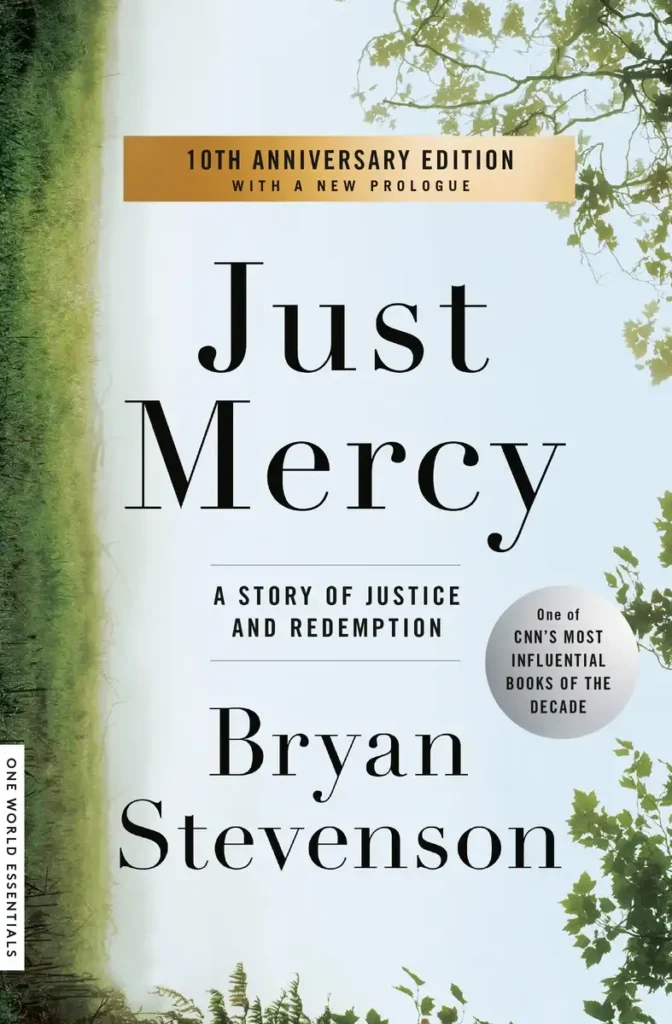
Just Mercy: A Story of Justice and Redemption

Stevenson recounts defending people whom the justice system has failed. He lays bare the realities of wrongful convictions, unequal sentences, and human resilience, centering the dignity and worth of those society often ignores.
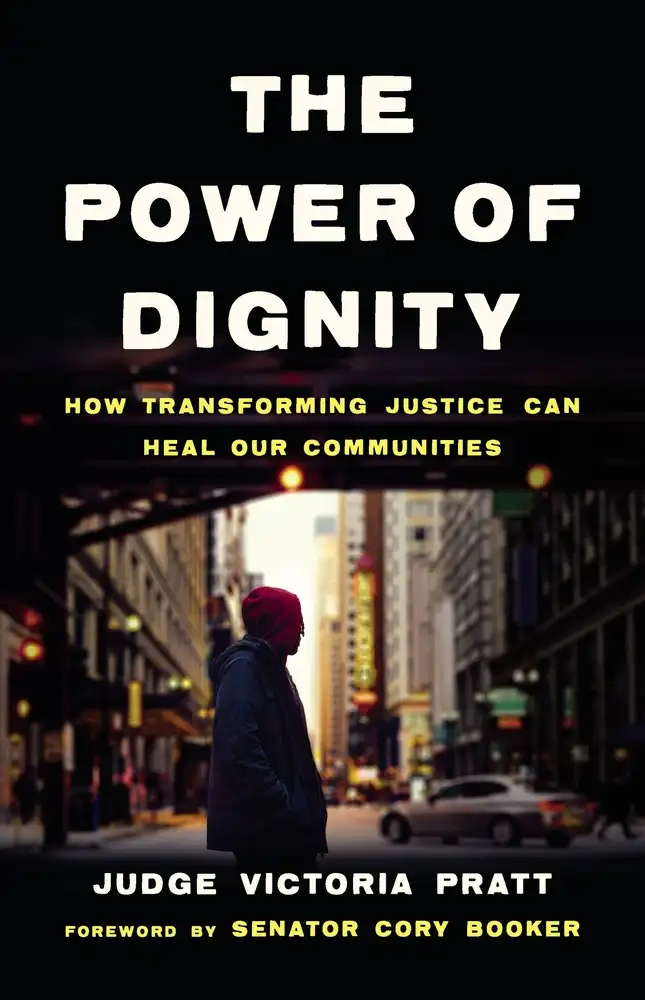
The Power of Dignity: How Transforming Justice Can Heal Our Society

A thoughtful and practical blueprint for how dignity-based practices can transform the justice system. Drawing on real cases from her courtroom, Pratt shows how respecting people strengthens communities and promotes healing and accountability.

Executed on a Technicality: Lethal Injustice on America’s Death Row

A compelling and disturbing account of how minor legal mistakes can produce the gravest injustice. Dow exposes the systemic faults that send people to death row and emphasizes the human cost of a system that often fails to uphold dignity and fair treatment.

The Imagined Juror: How Hypothetical Juries Influence Federal Prosecutors

A clear-eyed study of how prosecutors lean on hypothetical juries when making decisions. Offit reveals how perception, bias, and public narratives shape outcomes long before a case reaches trial.

Human Dignity & Human Rights

A rigorous examination of how human dignity forms the moral foundation of human rights and justice, offering a framework for understanding why everyone deserves respect, fairness, and systems built to support them.

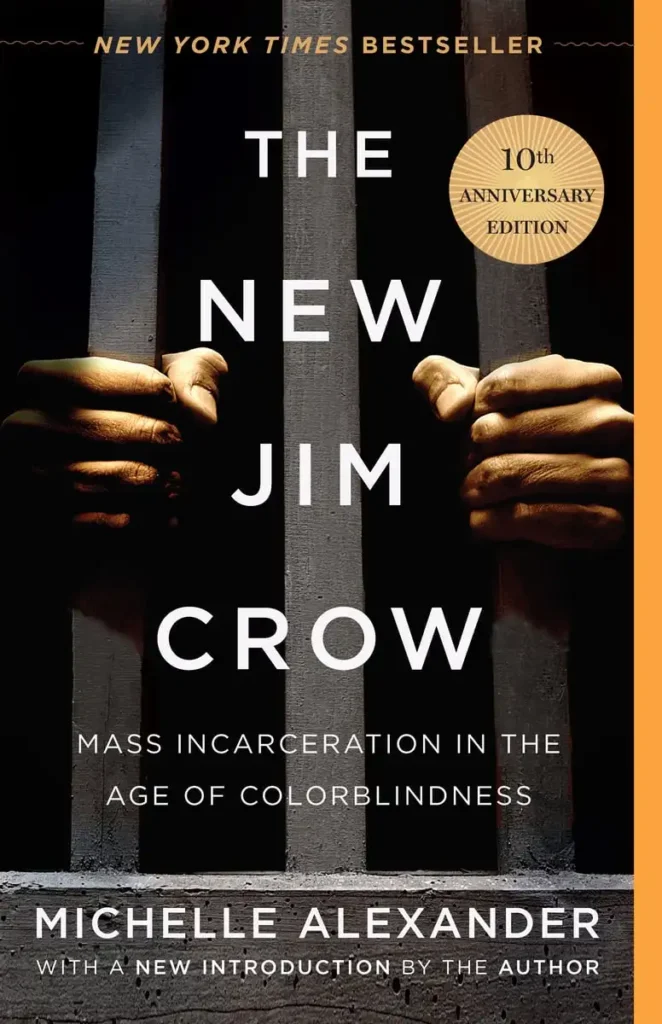
The New Jim Crow: Mass Incarceration in the Age of Colorblindness

A groundbreaking analysis of how mass incarceration acts as a system of racial and social control. Alexander demonstrates how ostensibly colorblind policies can still inflict significant harm and inequality, and asks readers to reckon with the human cost behind the statistics and laws.

Long Walk to Freedom

A sweeping memoir of Mandela’s life, from childhood through decades of imprisonment and his ongoing fight for equality. It stands as a testament to resilience, moral conviction, and what it takes to retain one’s humanity within an unjust system.

The Prison Letters of Nelson Mandela

A moving selection of Mandela’s prison letters that maps the emotional and moral landscape of confinement, and how a person holds on to identity, worth, and hope in conditions built to break the human spirit.

Empathy, Human Connection, and Community

The War for Kindness: Building Empathy in a Fractured World

A grounded and hopeful case that empathy can be built through practice. Zaki weaves research and real stories to illustrate that connection is a skill we can develop, even in divided times, and that small acts of care can transform communities.

The Anatomy of Peace: Resolving the Heart of Conflict

An exploration of how seeing people as objects rather than human beings fuels conflict. It urges readers to move from blame to understanding and demonstrates how empathy can break cycles of harm.

Talking to Strangers: What We Should Know About the People We Don’t Know

A reflective study of how easily people misinterpret one another, and what follows when they do. Gladwell examines how assumptions, context, and bias distort our perceptions of strangers and encourages readers to slow down and see others more clearly and compassionately.

The Art of Gathering: How We Meet and Why It Matters

A thoughtful examination of what makes people feel welcomed, included, and connected when they gather. Parker shows how gatherings gain meaning when they are planned with clarity, care, and purpose.

Drive: The Surprising Truth About What Motivates Us

A clear and engaging investigation of what truly motivates people beyond rewards or fear. Pink champions autonomy, purpose, and meaning, and provides insight into how people stay committed to work that matters.

Sapiens: A Brief History of Humankind

A broad and accessible overview of how human societies formed and how the stories we share shape the way we treat one another. Harari traces the origins of connection, bias, and belonging across history.

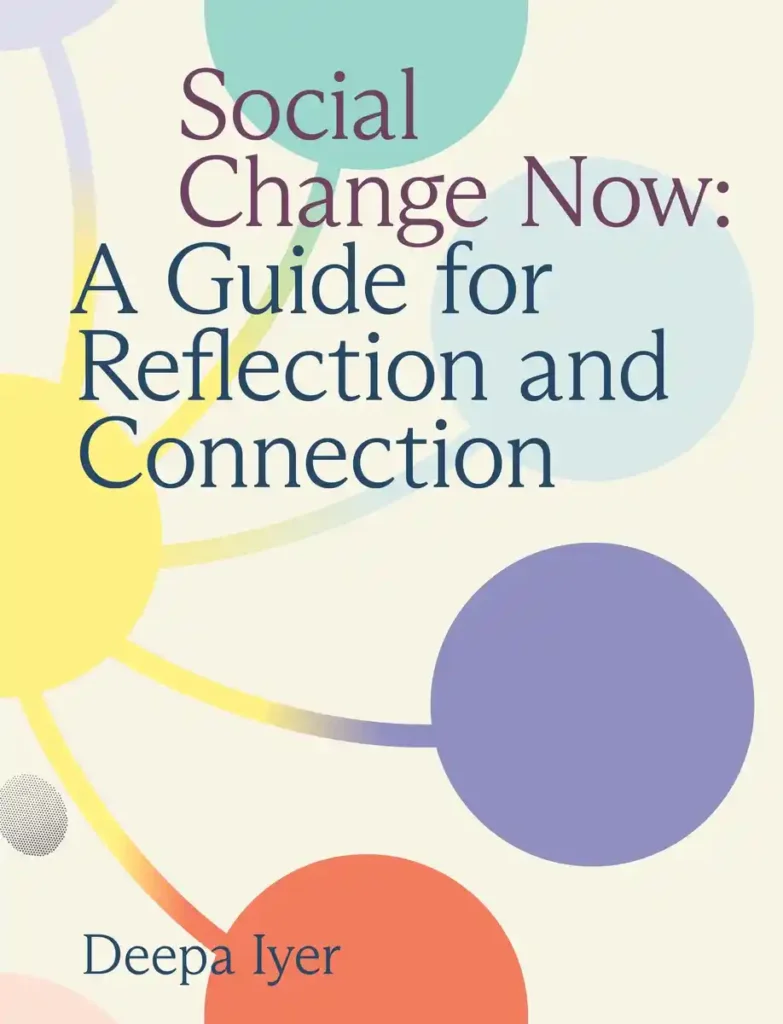
Social Change Now: A Guide for Reflection and Connection

A reflective and grounding compendium that invites readers to examine how they show up in movements for change, centering relationships, accountability, and care. Rather than fixating on outcomes alone, it offers a humane framework for building justice work that sustains people, community, and dignity over time.

Trauma, Healing, and Understanding People’s Experiences

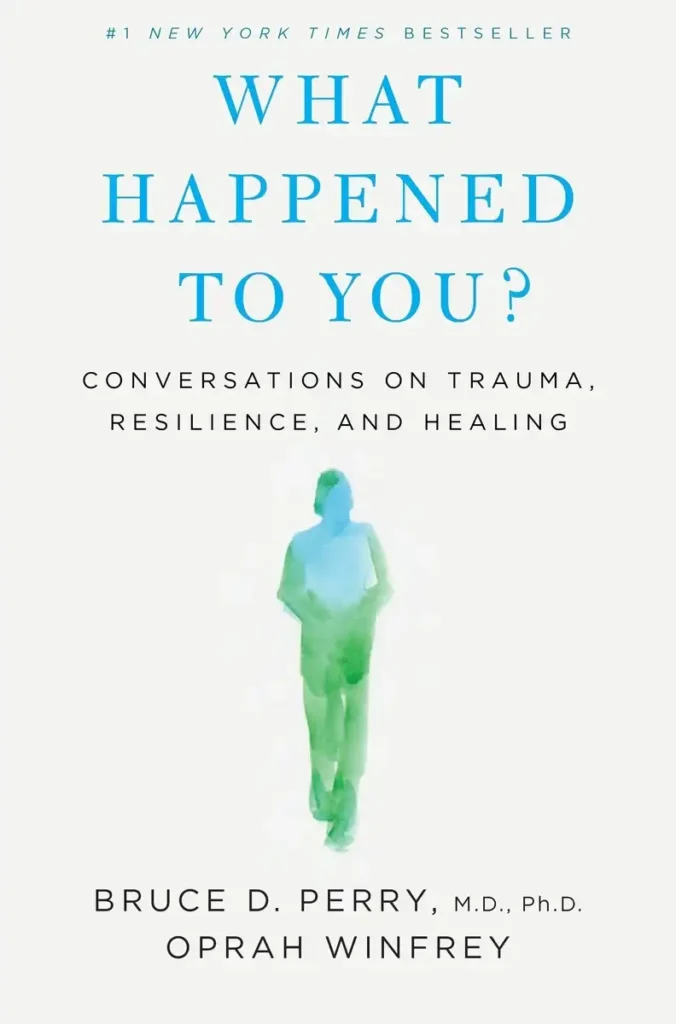
What Happened to You?

A thoughtful discussion of how trauma shapes behavior and relationships. It moves readers from judgment to understanding and emphasizes that people should be seen through their experiences rather than just their reactions alone.

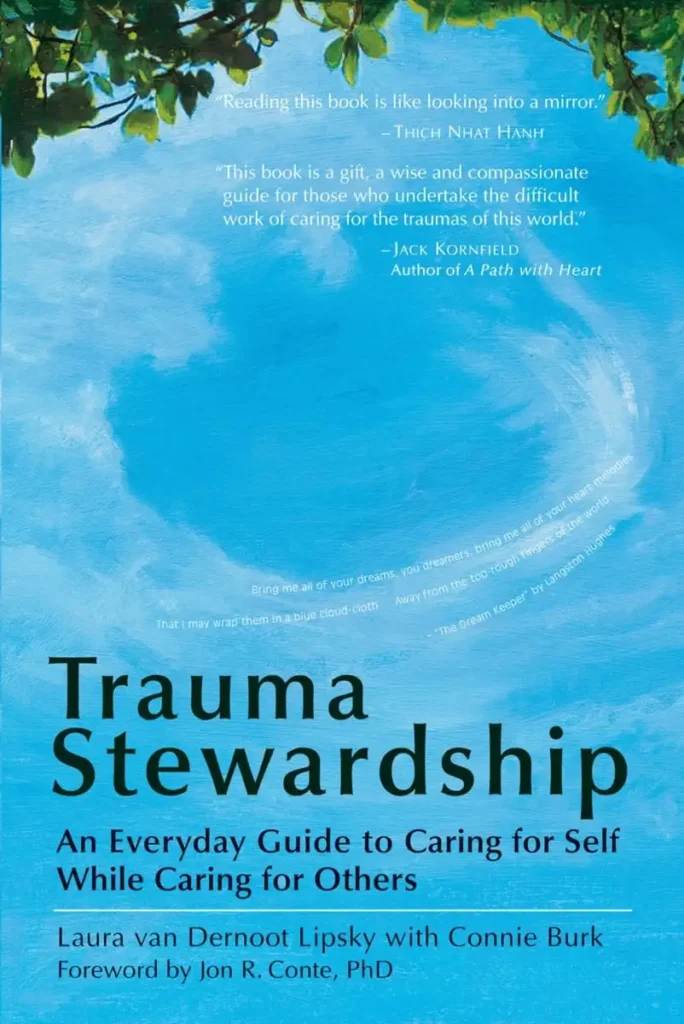
Trauma Stewardship: An Everyday Guide to Caring for Self While Caring for Others

A clear, compassionate look at how advocacy work wears on the body and mind. It discusses the fatigue, grief, and moral burden that often come with helping others, and reminds readers that caring for others also means caring for ourselves.

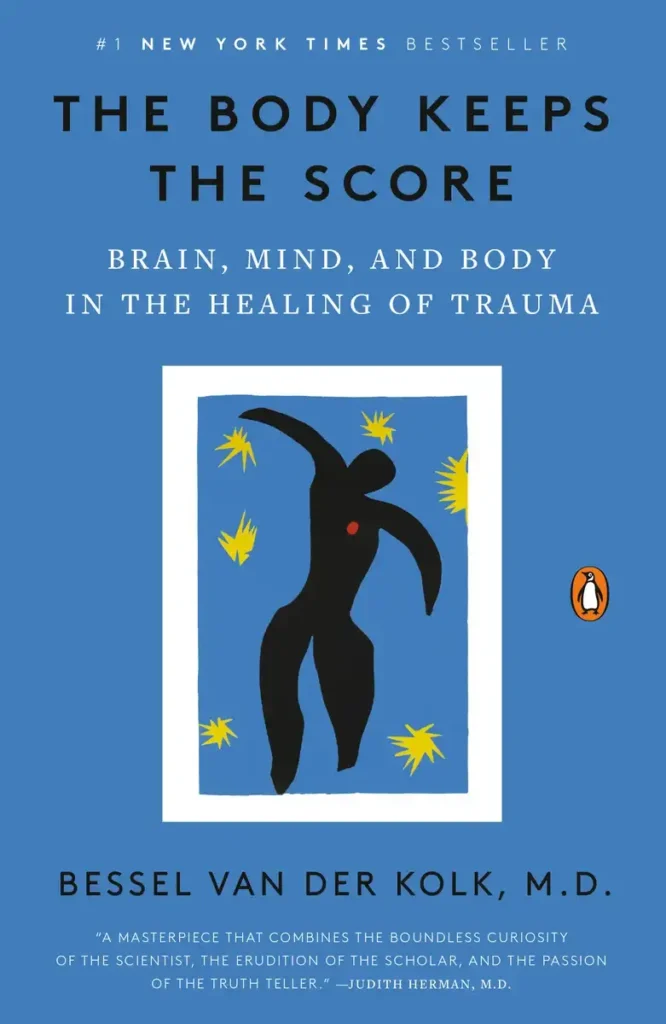
The Body Keeps the Score: Brain, Mind, and Body in the Healing of Trauma

A landmark exploration of how trauma lodges in the body and mind. Van der Kolk illustrates how experiences of harm, dismissal, or dehumanization impact a person’s well-being and emphasizes why safety, care, and connection are central to healing.

HIV/AIDS, Stigma, and Humanizing Health Crises

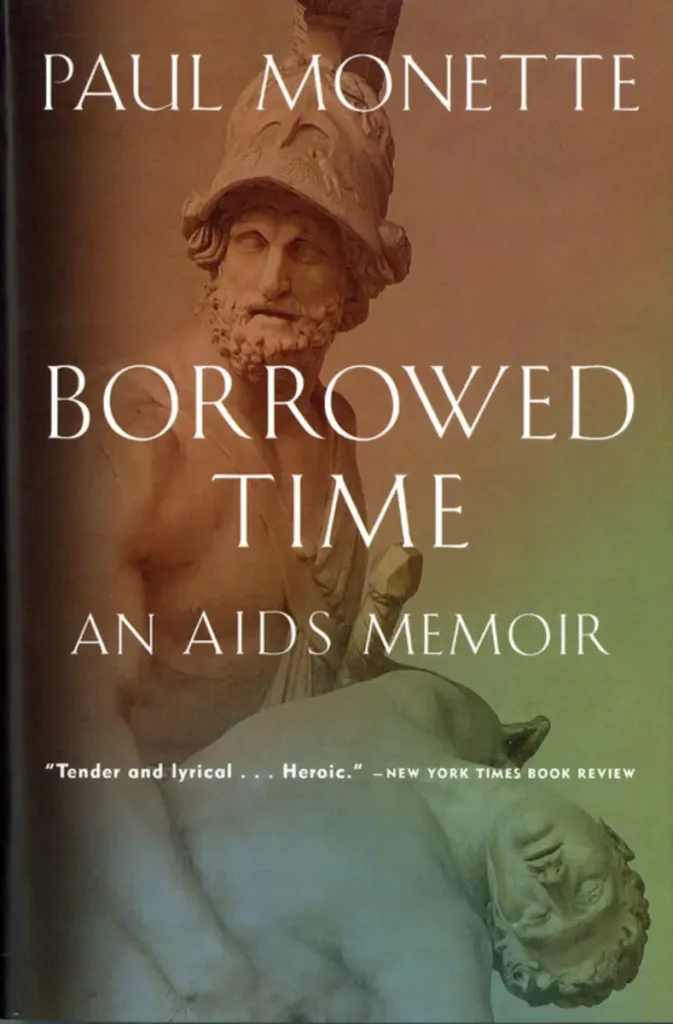
Borrowed Time: An AIDS Memoir

A sincere and heartfelt portrait of love and life during the AIDS crisis. It captures the emotional truth of the epidemic and pays tribute to the humanity of those it touched.

Love Is the Cure

A tender reflection on the early HIV/AIDS crisis and the lives lost to stigma and neglect. John affirms the power of compassion, advocacy, and community in confronting fear and points to what becomes possible when people refuse to look away.

And the Band Played On: Politics, People, and the AIDS Epidemic

An unsparing chronicle of the early AIDS crisis and the human toll of silence, stigma, and political delay. It upholds the voices of those who fought to be seen and cared for in a system that often turned them away.

Mountains Beyond Mountains

Through the life and work of physician Paul Farmer, Kidder traces global health inequity, HIV/AIDS, and the moral cost of treating care as a privilege instead of a right. The book reveals how dignity-centered medicine challenges systems that accept suffering as inevitable.

Marginalization, Homelessness, and Lives at the Edges

The Soloist: A Lost Dream, an Unlikely Friendship, and the Redemptive Power of Music

The story of a journalist who befriends a gifted musician living on the streets. It reminds readers that every person carries a history, a talent, and worth that go far beyond what their circumstances reveal.

Tell Them Who I Am: The Lives of Homeless Women

A profoundly respectful collection of stories about homeless women that challenges stereotypes and brings lives often unseen or misunderstood into view.

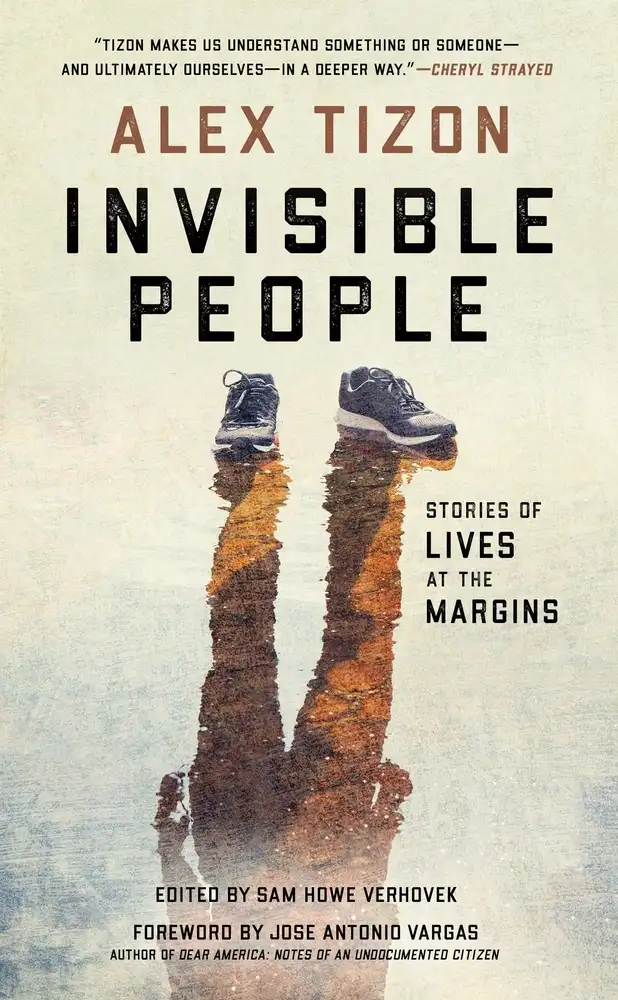
Invisible People

A collection of deeply human stories about people living on the edges of society. Through careful reporting and compassion, Tizon surfaces overlooked voices and reminds readers of the dignity and complexity within every life.

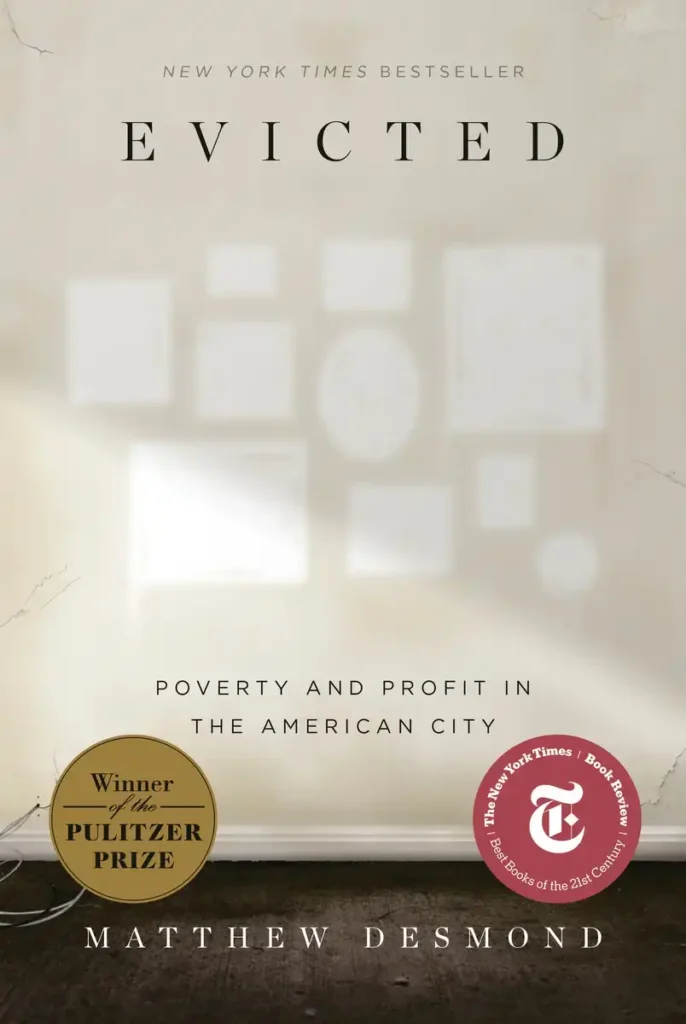
Evicted: Poverty and Profit in the American City

A searching portrayal of families fighting to keep a roof over their heads while navigating systems that work against them. Desmond puts the human stories behind eviction front and center, showing how housing insecurity erodes dignity, well-being, and opportunity.

Medical Harm, Bias, and Seeking Care with Dignity

Sick

A candid memoir about living with chronic illness while fighting for recognition in medical spaces. Khakpour conveys the emotional and physical toll of dismissal and bias and argues for care that respects dignity and lived experience.

Girl in Glass: Dispatches from the Edge of Life

A heartfelt account of a family facing a medical crisis while confronting a system that reduces human lives to costs and numbers. Fei captures the emotional and ethical burden of seeking care in a world that often neglects dignity.

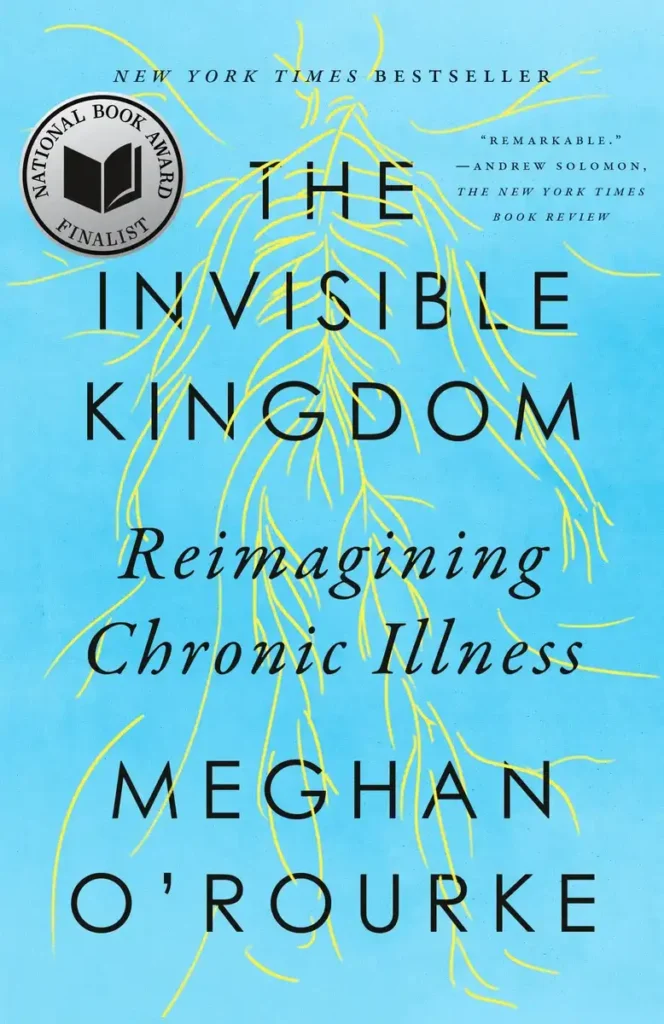
The Invisible Kingdom: Reimagining Chronic Illness

A personal and investigative inquiry into what it means to navigate chronic illness within systems that often overlook or doubt patients. It renders the anguish of not being believed and calls for a more humane, attentive approach to care.

Doing Harm: The Truth About How Bad Medicine and Lazy Science Leave Women Dismissed, Misdiagnosed, and Sick

A thoroughly researched examination of how gender bias shapes medical care, producing misdiagnoses, dismissals, and harm. Dusenbery tells the stories of women who have fought to be heard and exposes systemic patterns that endanger their health and well-being.

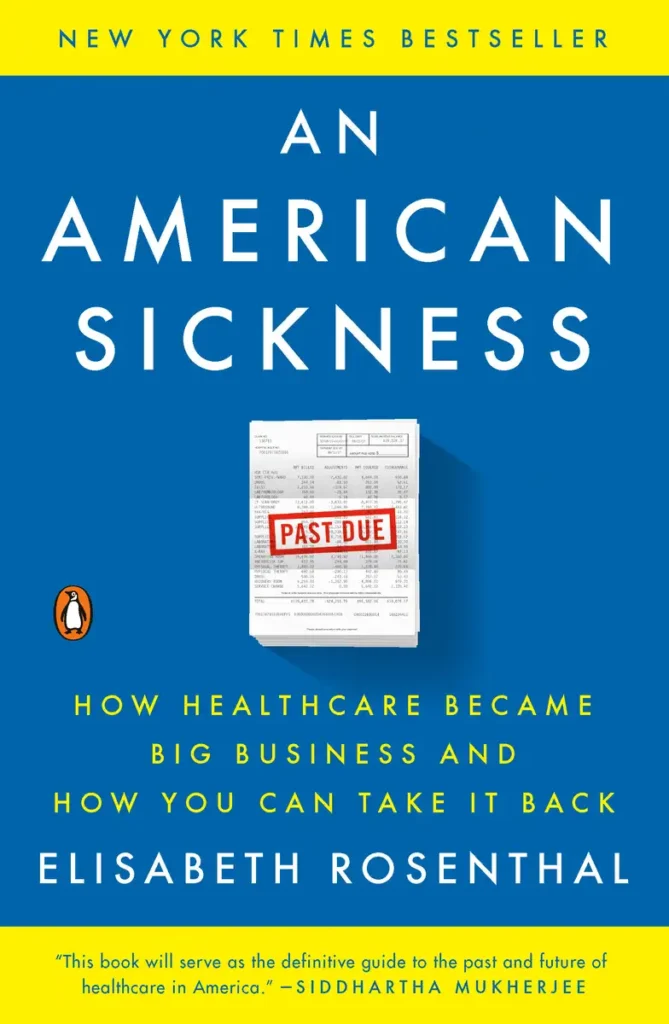
An American Sickness: How Healthcare Became Big Business and How You Can Take It Back

A sharp indictment of how the healthcare system puts profit over patients. Rosenthal charts the cycles of delays, denials, and unnecessary treatments that leave people exhausted and searching for real answers. She offers a clear, accessible guide to understanding why so many patients feel dismissed and unheard.

Digital Harm, Bullying, and Public Shaming

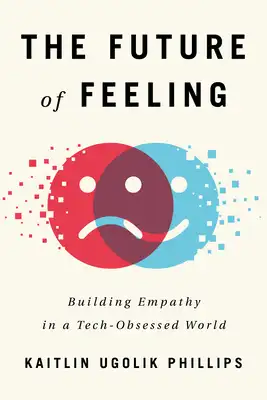
The Future of Feeling: Building Empathy in a Tech-Obsessed World

A thoughtful survey of how online interactions reshape empathy and human connection. Phillips weighs the emotional damage of digital harm and urges readers toward healthier, more humane ways of connecting through technology.

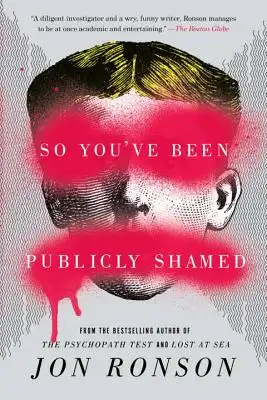
So You’ve Been Publicly Shamed

A revealing look at how online shaming unfolds and the real lives it upends. Ronson lays out how quickly a person can be reduced to a single moment and argues for compassion, accountability, and restraint in digital spaces.

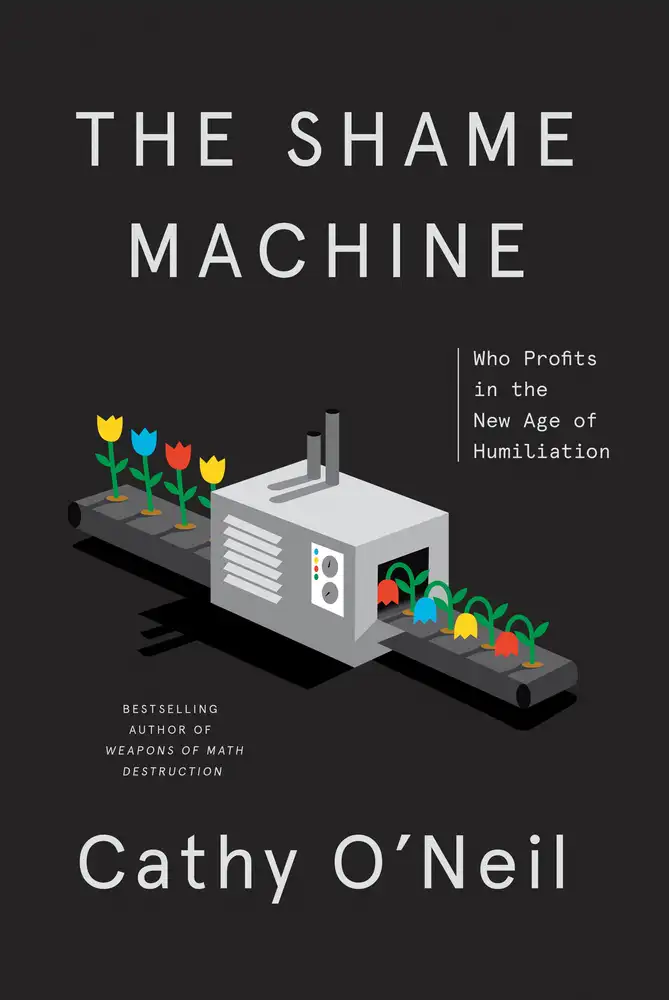
The Shame Machine: Who Profits in the New Age of Humiliation

An unflinching dissection of how shame is used to control and attack people online. O’Neil shows how digital platforms amplify harm and why safeguarding dignity matters in public spaces.